The recent stock market fluctuations following the arrival of AI tech that promises to generate interactive worlds from simple prompts speak volumes about the current lack of video game literacy.
Almost every veteran I know—myself included—started by modding, not just “creating.” My journey began with Q-Basic to tweak Gorillas, then modifying voices in Worms, creating custom avatars for Baldur’s Gate, and hacking Diablo hash codes.
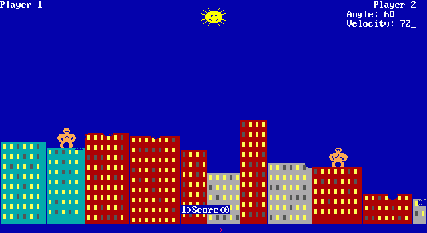
The best designers were often protagonists of the modding scene, diving into forums to figure out how to add value to the games they loved.
We’ve seen this cycle before. Tech giants often launch “revolutionary” gaming projects to fuel corporate career leaps, only to abandon them when the next trend arrives. But the real issue is the demand for shortcuts. Some entrepreneurs will try to use Genie3 to chase quick profits with flashy trailers, and some might even succeed in the short term.
Long-term success belongs to those who actually expand the horizons of gaming.
Reaching new audiences and solving the distribution puzzle requires more than a “genie.” It requires deep knowledge. While technocrats push “prompting and scrolling,” the smartest players are busy mastering history, philosophy, and art.
My advice? If you want to break into the market, stop looking for shortcuts. Work hard to engage your audience and start by modding what already exists. Read history books, and myths. Rack your brains, expose your work, and take risks.
You are far more likely to find success through craftsmanship than by playing a “word slot machine” and hoping for a believable game.